Small bathroom ideas to maximize space, light, and style with practical, durable design tips.
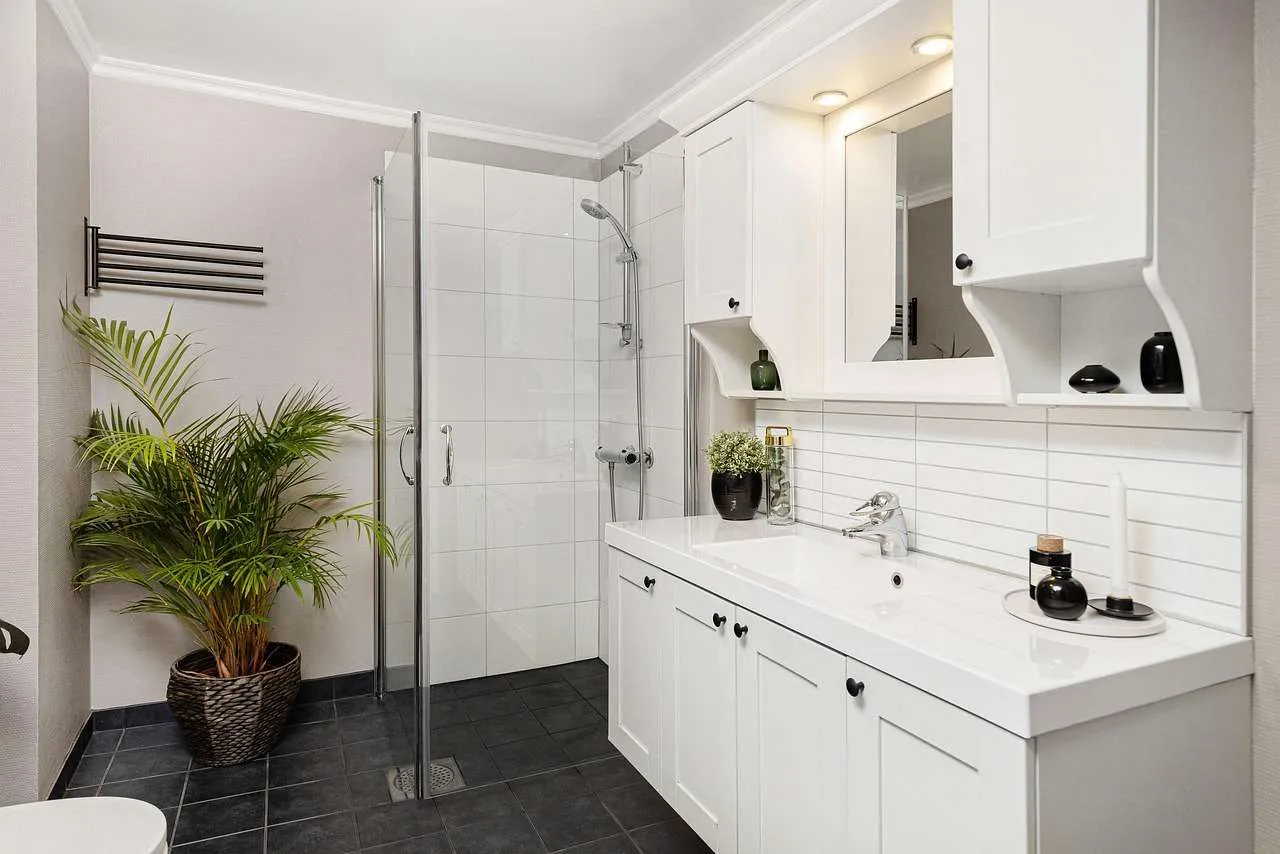
Small bathrooms demand smarter planning. As a seasoned designer with 10+ years of experience in space planning and bathroom remodeling, I know how to maximize every inch with durable, waterproof materials and rigorously tested fixtures. The ideas below balance practicality, aesthetics, and value, so you can enjoy a comfortable, easy-to-clean space.
Smart Layouts for Small Bathrooms
Start with a rectangular footprint and plan zones that minimize wasted space. Wall-mounted fixtures free floor area and make the room feel larger; a sliding or pocket door avoids swing space that blocks access; a clear glass shower enclosure visually expands the room. Think vertical: tall, slim storage and mirrors mounted higher to reflect light.
- Wall-mounted sink and toilet to open up floor space
- Floating vanity or open-shelf vanity for airiness
- Pocket or barn doors to save door swing space
- Clear glass shower or a frameless enclosure to reduce visual bulk
- Recessed niches for toiletries instead of freestanding cabinets
When you plan, consider accessibility and maintenance as part of the layout. A straight, unbroken path from door to shower reduces visual clutter, while consistent material palettes tie the space together. These decisions pay off in everyday use and resale value, making the bathroom feel more like a well-designed room than a tight corridor.
Storage-Savvy Solutions
Storage in a compact bath should be smart, not bulky. Use vertical real estate and built-ins that blend with walls while keeping surfaces clear for cleaning and daily tasks.
- Medicine cabinet with integrated lighting
- Recessed shower shelves and corner caddies
- Over-the-toilet cabinet or a slim tall storage unit
- Corner shelving and towel bars that double as decor
- Pull-out organizers inside vanity drawers for small items
To avoid clutter, rotate items seasonally and keep only daily-use products in the vanity. Labeling small containers and using uniform bottles also helps your eye move through the space more easily, enhancing perceived roominess.
Lighting and Color to Create Space
Light and color are your best allies. Layer ambient, task, and accent lighting to eliminate shadows and visually expand the space. Choose pale neutrals or cool whites and reflectivity: glossy tile, polished stone, and mirrors. Large-format tiles reduce grout lines and simplify maintenance, while subtle patterns add depth without overpowering the room.
Use daylight-replicating LED bulbs (around 2700K–3500K) in task lighting near mirrors to ensure accurate color rendering for grooming tasks. A wall of mirrors can double the perceived size by reflecting light from a single source across the room.
Fixtures and Finishes
Choose compact, efficient fixtures that still feel premium. A wall-hung toilet with a slim concealed tank, a shallow sink, and a compact vanity keep the footprint small. A corner shower or a walk-in shower with a frameless door enhances openness. Prioritize water-saving faucets and dual-flush options, and select finishes with good abrasion resistance and moisture tolerance.
Match fixtures to the room’s scale: slim-profile ones for narrow baths, and longer vanity countertops with integrated sinks for practical use. Finishes like satin nickel or matte black accents work well with light walls, while chrome finishes emphasize a modern, crisp look when paired with glass and porcelain.
Materials and Maintenance
Durable, moisture-resistant materials make a small bath easier to maintain. Favor porcelain or ceramic tiles, epoxy grout, and vinyl or porcelain flooring that handles moisture well. Use moisture-resistant paint or tile-friendly wall finishes, and ensure good ventilation with a quiet exhaust fan to prevent mold and warping over time. Sealing grout thoroughly and re-sealing high-traffic surfaces periodically extends life and keeps cleaning simple.
Opt for non-porous countertops and undermount sinks to simplify cleaning. Keep color palettes cohesive across walls, floors, and cabinetry to create a seamless flow that visually enlarges the space. A well-chosen material palette reduces the impression of clutter and helps the room feel calm and organized.
Comparison: Traditional vs. Modern Small Bathroom Design
| Feature | Traditional | Modern Small Bathroom |
|---|---|---|
| Layout flexibility | Fixed fixtures; limited reconfiguration | Wall-mounted fixtures; pocket doors; open layouts |
| Storage solutions | Bulkier cabinets; underutilized walls | Recessed niches; vertical storage; slim cabinets |
| Lighting and space perception | Single ceiling light; darker corners | Layered lighting; mirrors; bright, even illumination |
| Maintenance and durability | More grout lines; heavier materials | Smaller grout footprint; durable finishes |
| Cost and installation | Higher bulk and labor for renovations | Incremental upgrades; efficient fixtures reduce running costs |
| Personalization | Standard fittings | Custom niches, finishes, and color accents |
In practice, modern small bathroom designs emphasize efficiency, clean lines, and durable materials that stand up to moisture and daily wear, while traditional approaches often lean on bulkier storage and heavier fixtures that can shrink perceived space.
These approaches allow you to preserve style while maximizing utility in a smaller space.
Conclusion, by applying these small bathroom ideas you can maximize space, improve light, and create a durable, stylish bathroom that feels larger and more usable without a full renovation.